If you have ever spent a summer afternoon in a Chicago backyard, you know that a beautiful wood fence is the backbone of your outdoor privacy. But between the heavy lake-effect snow in January and the humid heat of July, our local climate is incredibly tough on timber. Many homeowners install a beautiful new cedar or pine perimeter only to watch it turn a dull, depressing gray within a single year.
The truth is that wood is a natural, porous material that starts to decay the moment it is left unprotected. Understanding the core benefits of fence staining Chicago homeowners rely on is the difference between having a fence that lasts thirty years and one that rots away in less than ten. It is not just about keeping the neighbors happy with a nice-looking yard. It is about protecting a significant financial investment in your property.
Why Staining is Crucial for Fence Longevity
In the world of wood fence protection, timing is everything. If you wait until the wood is splintering, you are already looking at a rescue mission rather than maintenance. Here are the four signs that your fence is screaming for attention.
Dramatic Fence Discoloration Issues
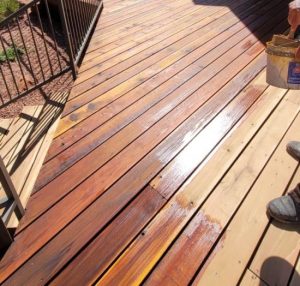
When your wood turns gray, it is not just “aging.” That gray color is evidence of UV damage. Sunlight breaks down the lignin in wood fibers, making them brittle and weak. A quality stain acts like sunscreen for your yard, blocking those rays and preserving the natural structural integrity of the boards.
Water Soaking Instead of Beading
Try the splash test. Flick some water onto your fence boards. If the water beads up and rolls off, your protection is still intact. If the water soaks in and leaves a dark spot, your fence is vulnerable to rot and mold. In Chicago, trapped moisture that freezes and expands in the winter is the leading cause of warped and split rails.
Surface Splintering and Cracking
Wood expands when wet and contracts when dry. Without the oils found in professional stains, this constant “breathing” causes the wood to stress and crack. Staining keeps the wood supple, reducing the internal tension that leads to large, deep splits.
Issues with Pressure-Treated Wood Leaching
Even if you have pressure-treated wood, it still needs a seal. While the chemicals prevent insect damage, they do not stop the sun from drying the wood out or water from causing it to swell. Staining locks those protective chemicals in and keeps the external moisture out.
Choosing the Right Stain for Your Fence
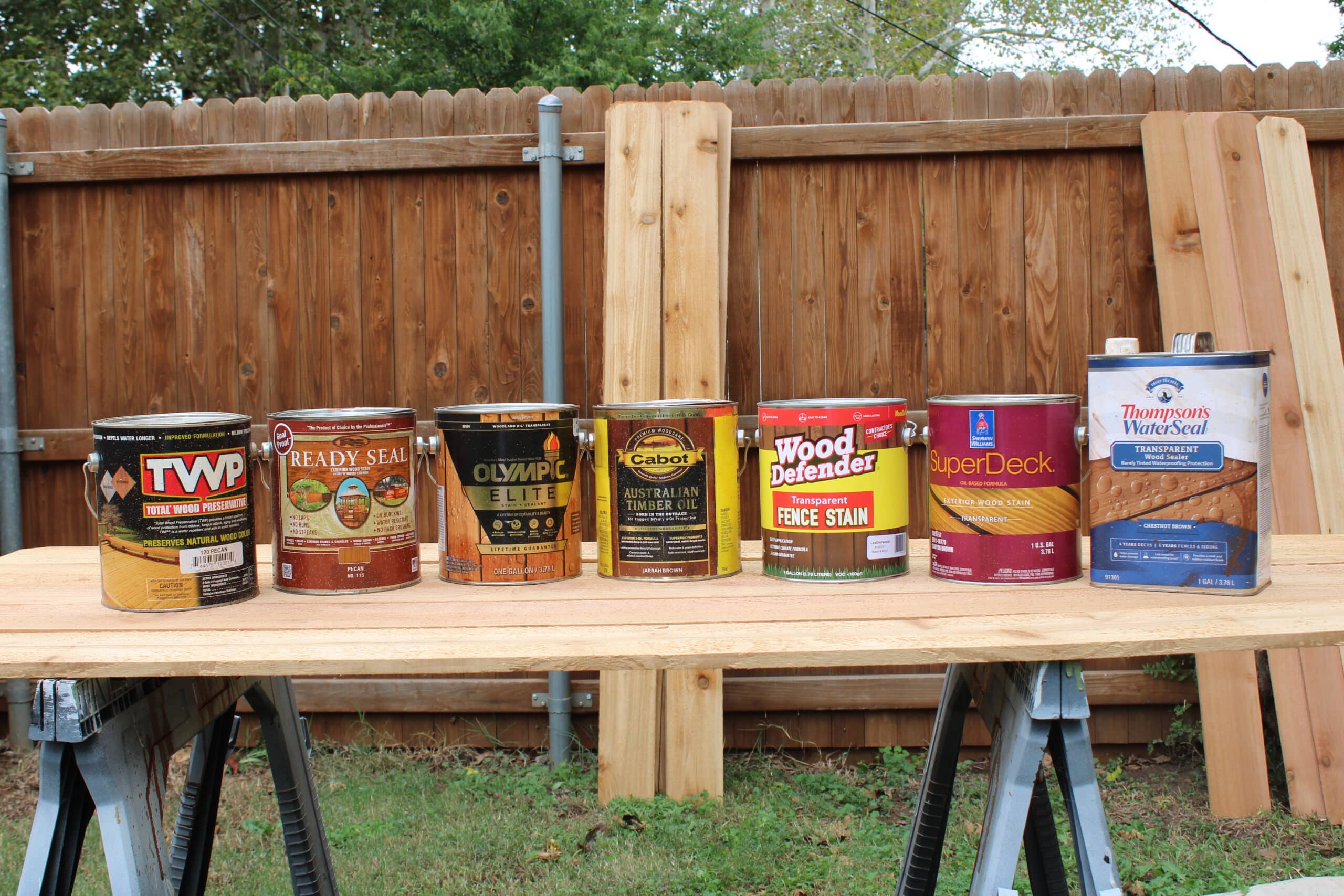
Walking into a hardware store can be overwhelming because not all stains are created equal. When selecting a product for a wood fence in the Midwest, you generally have three levels of opacity to choose from.
- Transparent and Clear Sealers: These offer the least UV protection but show off the wood grain perfectly. These are best for high-end cedar fences that you are willing to maintain every year.
- Semi-Transparent Stains: This is the “sweet spot” for most Chicago homeowners. It provides a rich tint of color and excellent UV protection while still allowing the natural beauty of the wood grain to peek through.
- Solid Stains: These look almost like paint and offer the most protection against the sun. They are fantastic for older fences that already have some fence discoloration issues because they hide imperfections and mismatched boards.
Hiring a professional fence staining team ensures you get a commercial-grade product. The stains available at big-box retailers are often water-based and sit on the surface. Professionals at Pro Chicago Painters use deep-penetrating oil-based stains that soak into the wood fibers for much longer-lasting results.
Staining vs. Painting: Which is Better?
| Feature | Fence Staining | Fence Painting |
| Durability | Absorbs into the wood; won’t peel. | Sits on top; prone to chipping/peeling. |
| Maintenance | Easy to reapply after a light wash. | Requires scraping and sanding before a new coat. |
| Appearance | Highlights natural wood grain. | Covers wood grain completely with solid color. |
| Cost over time | Lower maintenance costs. | Higher costs due to intensive prep work. |
Step-by-Step Guide to Staining Your Fence
If you are considering fence restoration services, it is helpful to understand the labor involved. A “slap on a coat of stain” approach will fail quickly. A professional result requires a very specific sequence.
Preparation and Cleaning
The biggest mistake people make is staining over dirty wood. We use a specialized wood cleaner to remove mold, mildew, and that gray oxidized layer. This opens up the “pores” of the wood so it can actually accept the stain.
The Drying Phase
Wood must be bone dry before staining. In our local climate, this usually means waiting 24 to 48 hours after a deep clean or a heavy rain. If you trap moisture inside the wood with a sealer, you are essentially creating a greenhouse for rot.
Application Technique
Whether using a sprayer, brush, or roller, the key is “back-brushing.” This involves using a brush to work the stain deep into the grain and joints immediately after it is applied. This ensures even coverage and prevents drips.
The Investment Factor
While the initial fence staining cost might seem like an added expense, compare it to the cost of a full fence replacement. Replacing a standard residential fence in the city can cost several thousand dollars. Staining costs a fraction of that and can easily double the lifespan of the structure.
Frequently Asked Questions
How long does fence stain last?
On average, a high-quality semi-transparent stain lasts 3 to 5 years on a vertical fence. Solid stains can last up to 7 years, while clear sealers usually need a refresh every 1 to 2 years.
How often should I stain my wood fence?
In Chicago, we recommend a refresh every 3 years. The heavy snow piles against the bottom of the fence and the intense summer sun on the top rails create a “pincer move” that wears down finishes faster than in milder climates.
Is staining better than painting a fence?
Staining is almost always better for the health of the wood. Paint traps moisture inside the boards, which leads to internal rot. Stain allows the wood to breathe while still providing a moisture barrier.
What type of stain is best for wood fences?
Oil-based semi-transparent stains are widely considered the best choice. They penetrate the wood rather than just sitting on the surface, meaning they will never peel or flake off.
How long does it take to stain a fence?
For a standard residential lot, the process usually takes two days. One day for deep cleaning and prep, and a second day for application once the wood is completely dry.
Conclusion
Your fence does more than mark your property line. It provides safety for your kids, a barrier for your pets, and a sense of “home” for your family. Letting it rot away due to neglect is an expensive mistake that is easily avoided. By prioritizing wood fence protection through regular maintenance, you ensure that your backyard remains a sanctuary for decades rather than a source of stress.
Don’t wait until you see the wood splitting and the posts leaning. Whether you have a brand new installation or an older fence in need of a comeback, our team is here to help. At Pro Chicago Painters, we provide a top-tier fence staining service in Chicago that is tailored to the specific needs of local homeowners.
Let us handle the dirty work while you enjoy the results. Get a quote today and start seeing the long-term fence-staining benefits for your home.