Deciding between fence staining vs. fence painting is one of the most common dilemmas Chicago homeowners face when trying to protect their property from our brutal Midwestern seasons. Whether you are looking to boost curb appeal or extend the life of a brand-new cedar installation, the finish you choose acts as the first line of defense against Lake Michigan winds, heavy humidity, and the inevitable freeze-thaw cycles of winter.
In a city where the temperature can swing 50 degrees in a single week, durability isn’t just a preference; it’s a necessity. Wood is a natural material that breathes, expands, and contracts. If you choose the wrong product, you might find yourself scraping off flakes of dried “protection” by next spring.
At Pro Chicago Painters, we believe informed homeowners make the best decisions. Let’s dive into the mechanics of both options to see which one truly holds up against the Chicago elements.
What is Fence Staining?
Wood stain is a finish that is designed to soak deep into the fibers of the lumber rather than sitting on top of it. Unlike paint, which creates a thick film, stain acts more like a treatment for the wood itself. It highlights the natural grain and texture, making it a favorite for those who love the look of real timber.
Stains come in various opacities, from transparent (which shows all the wood grain) to solid (which looks similar to paint but still allows the wood’s texture to peek through). Because it penetrates the surface, it doesn’t “peel” in the traditional sense; instead, it gradually fades over time as it is worn down by UV rays and rain.
Benefits of Staining a Fence
If you are looking for long-term exterior wood protection in Chicago, staining offers several unique advantages:
- No Peeling or Chipping: Because the product is inside the wood, you won’t deal with the messy, flaking appearance common with old paint.
- Easier Maintenance: When it’s time to refresh the look, you generally don’t need to scrape or sand back to the bare wood. A deep clean and a fresh coat are usually all it takes.
- Highlighting Natural Beauty: It preserves the aesthetic of expensive materials like western red cedar or redwood.
- Breathability: Stain allows moisture to escape the wood, which is crucial for preventing internal rot in humid environments.
For many, the lower labor intensity of the maintenance cycle makes staining the more practical choice for large perimeter fences.
What is fence painting?
Fence painting involves applying a solid film of exterior paint over the wood surface. This creates a completely opaque, uniform color that hides any imperfections, knots, or discolorations in the lumber.
While stain highlights the wood, paint hides it. This is often the preferred choice for homeowners who want a specific color—like a classic crisp white or a modern charcoal gray—that matches their home’s siding or trim. High-quality acrylic latex paints are typically used because they offer better flexibility than oil-based paints, allowing the “shell” to move slightly with the wood.
Benefits of Painting a Fence
While staining is popular, there are distinct reasons why many choose to go the route of fence painting:
- Ultimate Color Control: You aren’t limited to “wood tones.” You can choose any hue in the rainbow to match your landscape design.
- Superior UV Protection: The thick, opaque layer of paint provides a total shield against the sun, which can prevent the wood underneath from turning gray or becoming brittle.
- Hiding Imperfections: If you are working with older, mismatched wood or lower-grade lumber, paint provides a clean, uniform “new” look that stain cannot achieve.
- Longer Initial Lifespan: A high-end paint job can technically last longer than a thin stain before it needs its first “refresh,” provided the wood doesn’t trap moisture.
How to Choose Between Fence Paint and Fence Stain
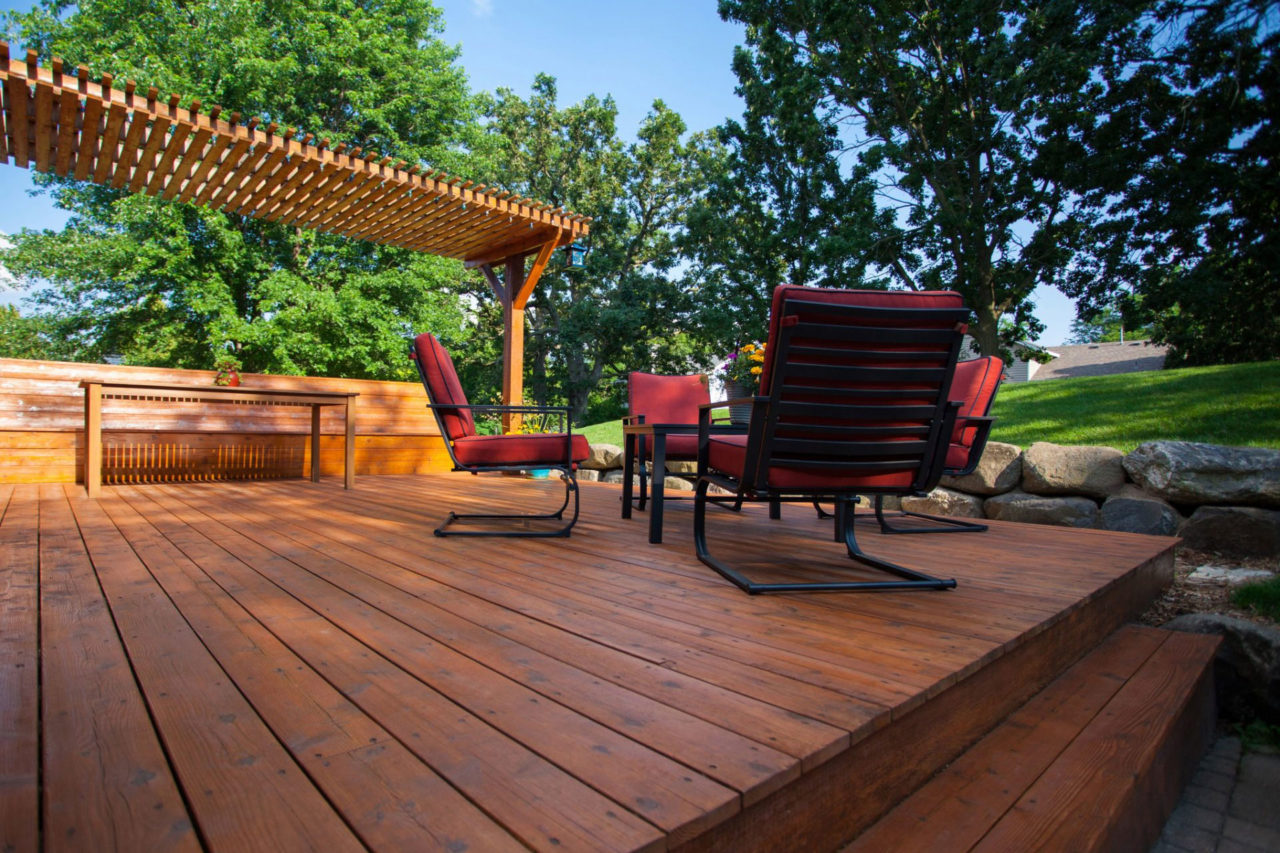
Choosing the right finish requires looking at the “big picture” of your property. Here is a breakdown of the key factors to consider:
1. The Condition of the Wood
If you have pressure-treated wood that is relatively new, staining is often the best way to let that wood “season” and show off its natural character. However, if your fence is ten years old and has significant staining or repairs, a solid paint or solid-color stain will hide those flaws much better.
2. Chicago’s Climate vs. Durability
When comparing fence paint vs. stain durability, Chicago’s weather is the ultimate judge. Paint provides a thicker barrier against moisture, but if water gets behind that paint (through a crack or from the bottom of the boards), it gets trapped. This leads to rot and peeling. Stain is more “honest”, it lets moisture in and out, preventing the wood from suffocating.
3. Maintenance and Cost
The stain vs. paint cost debate has two layers:
- Short-term: Staining is often cheaper in labor, but the high-quality product can be pricey.
- Long-term: Paint lasts longer between applications (5-7 years) but requires massive labor (scraping/sanding) when it fails. Staining needs a refresh every 2-3 years but is much faster and cheaper to reapply.
Why Professional Application Matters
Whether you choose a stain or a paint, the preparation is 90% of the job. Much like a local roofing company knows that a roof is only as good as the underlayment, our team at Pro Chicago Painters knows a finish is only as good as the surface prep. DIY projects often fail because the wood wasn’t dried to the correct moisture percentage or the gray “dead” fibers weren’t power-washed away first.
Using professional fence and deck painting services in Chicago ensures that the products used are rated for our specific USDA hardiness zone and can withstand the -20°F winters we occasionally face.
Conclusion
Ultimately, the choice comes down to your aesthetic preference and how much work you want to do in five years. If you want a specific “designer” color and don’t mind the eventual scraping, paint is beautiful. If you prefer a low-stress, natural look that ages gracefully, staining is the winner. At Pro Chicago Painters, we specialize in helping homeowners navigate these choices. We provide expert advice and high-quality fence painting services Chicago can rely on to stay looking great year after year. Whether you need a fresh stain or a complete color overhaul, our team has the tools and local experience to get it done right.
Ready to protect your investment? Get a quote today and let us help you find the perfect exterior painting services for your home. We are the experts in the long-term debate of fence staining vs. fence painting.
Frequently Asked Questions (FAQ)
Is staining or painting a fence more durable in cold climates?
Staining is generally considered more durable for Chicago’s cold climate. Because it doesn’t form a rigid film, it won’t crack when the wood shrinks during sub-zero temperatures.
How does fence stain protect against moisture damage?
The stain contains water-repellent additives and oils that penetrate the wood pores, shed water, and prevent the wood from becoming waterlogged and rotting.
How often should you re-stain a wood fence?
In the Midwest, most fences benefit from a refresh every 2 to 4 years, depending on sun exposure and the type of stain used (transparent vs. solid).
Which finish requires less maintenance over time?
Staining requires less maintenance. While it needs to be done more frequently, the process is simple cleaning and re-coating, whereas paint requires labor-intensive scraping and priming once it begins to peel.
Is fence staining more cost-effective long-term?
Yes. Although you apply it more often, the lack of intensive prep work and the protection it offers against wood rot usually results in lower total ownership costs over the life of the fence.
When should homeowners hire a professional fence refinishing company?
You should hire a professional if the fence is large, requires significant power washing, or if you want a guaranteed uniform finish without the streaks and “lap marks” common in DIY staining.