


Knowing when to call a professional water restoration company is the difference between a quick fix and a total property disaster. For many Chicago homeowners, water damage does not always arrive as a dramatic flood. Often, it begins as a quiet drip behind a cabinet or a small damp spot in the basement that seems easy to ignore. However, moisture is relentless. In the humid climate of Illinois, a tiny leak can evolve into a massive structural problem or a health hazard in just a few days. Recognizing the early red flags allows you to intervene before the costs skyrocket.
Signs It’s Time to Call a Water Restoration Company
Recognizing water damage signs early is vital for both residential and commercial properties in Chicago. Our local architecture, ranging from historic brownstones to modern high-rises, presents unique challenges when pipes burst or heavy rains overwhelm drainage systems. When moisture enters building materials, it weakens the integrity of the structure. For businesses, this leads to costly downtime. For homeowners, it can mean losing precious belongings and facing expensive kitchen remodeling services if the cabinets and flooring are compromised.
Acting quickly is not just about saving money. It is about safety. Within 24 to 48 hours of exposure, mold spores can begin to colonize damp surfaces. By the time you see the mold, the internal damage is often extensive. Identifying the signs listed below will help you decide when it is time to bring in a water damage restoration services company to assess the situation.
Warning Signs You Cannot Ignore
Water has a way of hiding in plain sight. While some leaks are obvious, others require a bit of detective work. Here are five specific indicators that your property needs professional attention.
- Persistent Musty Odors: If you walk into a room and notice a heavy, earthy, or pungent smell that won’t go away, you are likely dealing with hidden water damage. This scent is often the first sign of mold or mildew growing behind drywall or under carpeting. Even if you cannot see the moisture, the odor indicates that residential water restoration experts should use thermal imaging to find the source of the dampness.
- Visible Water Stains on Walls or Ceilings: Yellow, brown, or copper-colored staining on your ceiling or walls is a classic indicator of a slow leak. In Chicago homes, these often appear after a heavy snow melt or a summer storm. These stains suggest that water is pooling above the ceiling or running down the interior of the wall studs. Never simply paint over these spots. Doing so traps the moisture inside and leads to rot.
- Warped Flooring or Damaged Drywall: When building materials absorb water, they expand. You might notice your hardwood floors “cupping” at the edges or laminate flooring starting to peel and bubble. Similarly, drywall will feel soft to the touch or look swollen. These structural changes are clear signals that you need emergency water removal to save the underlying subfloor and framing.
- Sudden Increase in Utility Bills: Sometimes the signs of commercial water damage are found in the accounting office rather than on the walls. If your water bill spikes unexpectedly, you may have a slab leak or a burst pipe hidden deep within the plumbing system. Professionals can perform water extraction services once the leak is located to ensure no residual moisture remains in the foundation.
- Standing Water or Slow Drying Areas: Puddles in the basement or water that refuses to evaporate from a laundry room floor are major red flags. This often points to a backup in the sewer line or a failing sump pump. Because this water can contain contaminants, it requires a professional to handle the cleanup safely and effectively.
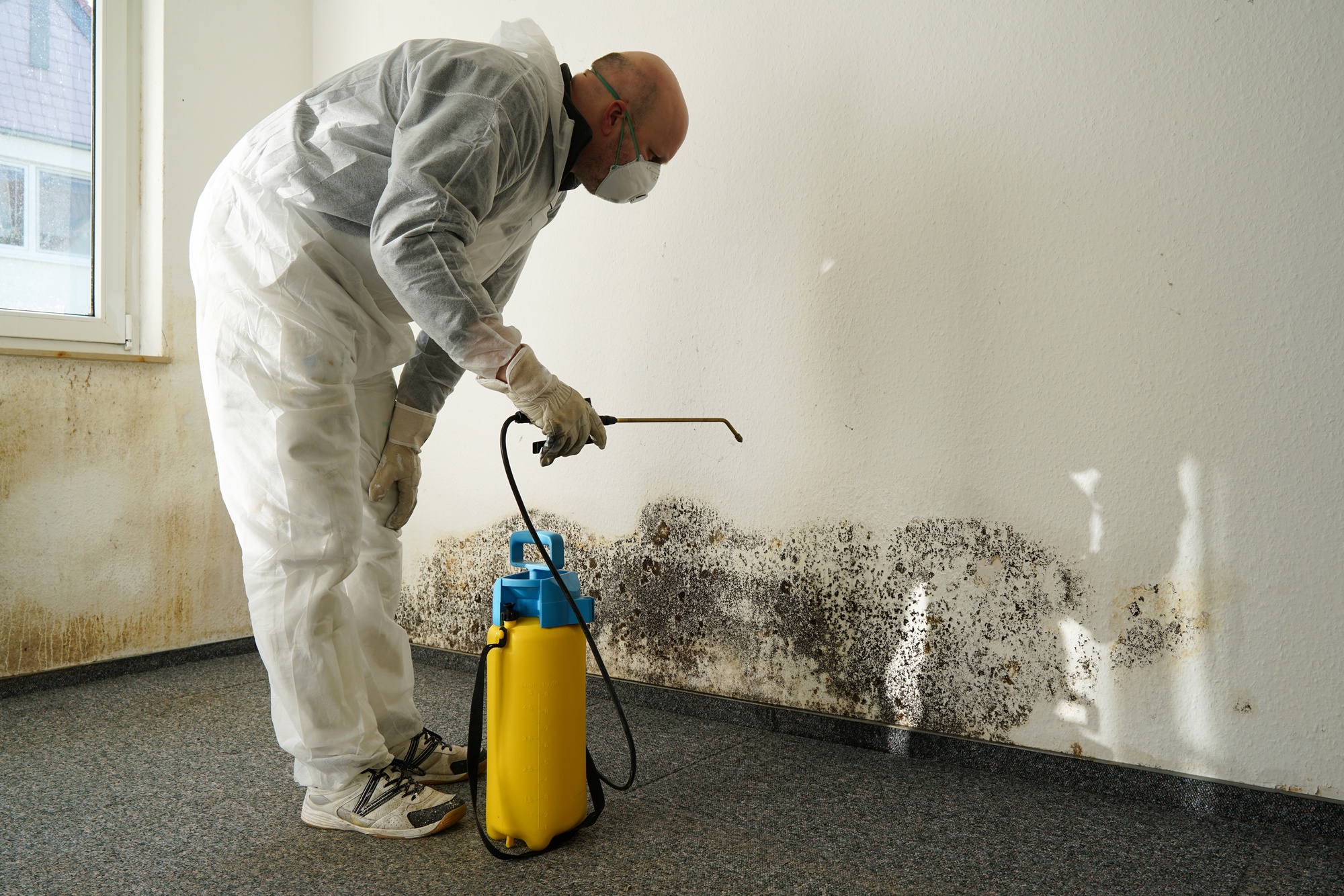
What a Professional Water Restoration Company Does?
When you call a professional, the process goes far beyond just mopping up a mess. Experts follow a strict protocol to ensure your Chicago home or business is completely dry and safe for occupancy.
- Inspection and Moisture Detection: Using moisture meters and infrared cameras, technicians find water tucked away in insulation and wall voids that the naked eye cannot see.
- Emergency Water Removal: High-powered pumps are used for rapid water extraction to prevent the liquid from seeping deeper into the structure.
- Drying and Dehumidification: Industrial-grade air movers and dehumidifiers are placed strategically to pull moisture out of the air and the building materials.
- Sanitization: If the water came from a storm or a pipe, it may carry bacteria. Professionals use antimicrobial treatments to sanitize the area.
- Structural Repairs: This final phase involves replacing drywall, flooring, and trim. If the damage was in the kitchen, this is the time to consider restoring the space to its original beauty.
Whether it is a small home or a large warehouse, professionals handle flood damage repair with the right scale of equipment. They understand the local Chicago building codes and can help document the damage for insurance claims, making the entire ordeal much less stressful for the property owner.
FAQ
When should I call a water restoration company?
You should call a professional the moment you discover standing water or signs of a leak that has lasted more than 24 hours. Delaying even a single day can lead to permanent mold growth and weakened structural supports. If the water source is a sewage backup or a major flood, call immediately for emergency water removal to prevent health risks.
What are early signs of hidden water damage?
Early signs include peeling wallpaper, bubbling paint, or a slight crunching sound when you walk on carpeted areas. You might also notice that certain rooms feel unusually humid or have a faint musty smell. Small cracks in the foundation or white, powdery substances on basement walls, known as efflorescence, are also indicators that moisture is intruding from the outside.
How long does water restoration take?
The drying process usually takes between three and five days. However, the full restoration timeline depends on the extent of the flood damage repair needed. If structural repairs like new drywall or flooring installation are required, the total project could take two weeks or longer. A professional will provide a detailed timeline after the initial inspection.
Can wet drywall be repaired?
In some cases, if the water was clean and the drywall was caught early, it can be dried out. However, if the drywall has begun to sag, crumble, or show signs of mold, it must be replaced. Drywall is highly porous and acts like a sponge, often holding moisture in the insulation behind it, which necessitates removal to ensure a complete dry-out.
What is the cost of water restoration in Chicago?
The cost varies based on the category of water and the square footage affected. Minor residential cleanup might start around $1,000, while extensive commercial water damage projects can reach much higher figures. Most homeowners insurance policies cover these costs if the damage was sudden and accidental. It is best to quickly provide to your adjuster.
Conclusion
Ignoring the signs of water intrusion is a gamble that rarely pays off. Whether you are dealing with a musty basement, warped floorboards, or a sudden spike in your water bill, these indicators are your property’s way of asking for help. Taking swift action protects your investment and ensures the health and safety of everyone inside.
At Pro Chicago Painters, we understand how overwhelming a leak or flood can feel. Our team is dedicated to helping Chicago homeowners and businesses navigate the path from disaster to a fully restored, beautiful space. From the initial inspection to the final coat of paint, we provide the expertise needed to handle every step of the process. If you suspect your home has moisture issues, do not wait for the problem to grow. Contact us today to get a quote and find out why we are the most trusted water restoration company.
